Severance Review: A Brilliant Spiral Into Work, Identity, and Memory
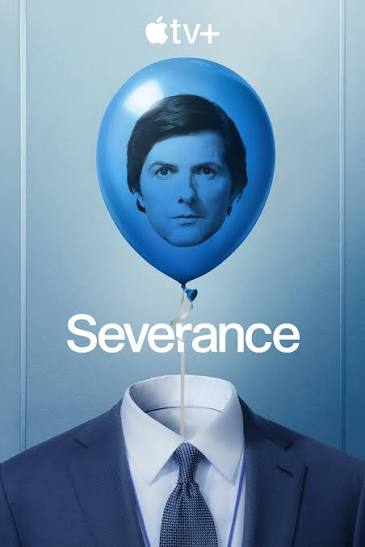
If there’s one show that manages to be both deeply unsettling and incredibly addictive, it’s Severance.
At first glance, it looks like a clever office drama with a mysterious sci-fi premise. But underneath the fluorescent lighting and sterile hallways is something far more ambitious: a story about identity, autonomy, and what modern work does to the human soul. The show is equal parts psychological thriller, social satire, and emotional mystery—and it does all of that without ever losing its grip on the viewer.
What makes Severance so effective is its precision. Every hallway, every awkward interaction, every tiny piece of office culture is designed to make the world feel strangely familiar and deeply wrong at the same time. It understands that the most frightening thing isn’t a monster from the outside—it’s the quiet, totalizing systems we accept because they’re normalized. The “innies” and “outies” become a perfect metaphor for living split between labor and selfhood, and the series leans into that tension with enormous confidence.
The performances are another huge reason the show works. Adam Scott brings a subtle vulnerability to Mark Scout that makes the emotional stakes hit hard. Patricia Arquette, John Turturro, and the rest of the cast all feel like characters caught in a system they can’t fully parse, and that ambiguity keeps the show tense and fascinating. Even the quietest scenes often carry more weight than the most dramatic plot twists.
One of the smartest things about Severance is that it never feels like it’s explaining itself too much. It leaves room for interpretation, but not emptiness. The mystery is layered, the symbolism is rich, and the larger questions about memory, choice, and self-worth never feel forced. This is a show that invites close reading without ever becoming self-satisfied.
Visually, it’s stunning. The use of color, silence, and architectural emptiness gives the entire series a cold, dreamlike quality. It’s a world that feels almost too polished to be real, which makes every crack in the facade feel more disturbing. The emotional texture of the show is just as strong as its aesthetic. It understands that trauma doesn’t just live in big events—it lives in repetition, in routines, in the way people are asked to ignore their own discomfort in order to keep moving.
And yet, for all its darkness, Severance is also unexpectedly moving. There are moments of tenderness, grief, and raw human connection that make the show more than just a puzzle box. It is devastating in the way that only the best speculative fiction can be: it takes a strange, futuristic premise and reveals something very intimate and true about the way people live now.
The result is a series that is both intellectually sharp and emotionally resonant. It’s the kind of show that leaves you thinking about it long after the credits roll—not just about the mystery, but about the cost of dividing yourself to survive. In a culture obsessed with productivity, Severance feels less like science fiction and more like a warning.
If you enjoy stories that challenge the way you think about work, identity, and human connection, this is one of the most rewarding shows of the last few years. It’s eerie, brilliant, and impossible to forget.